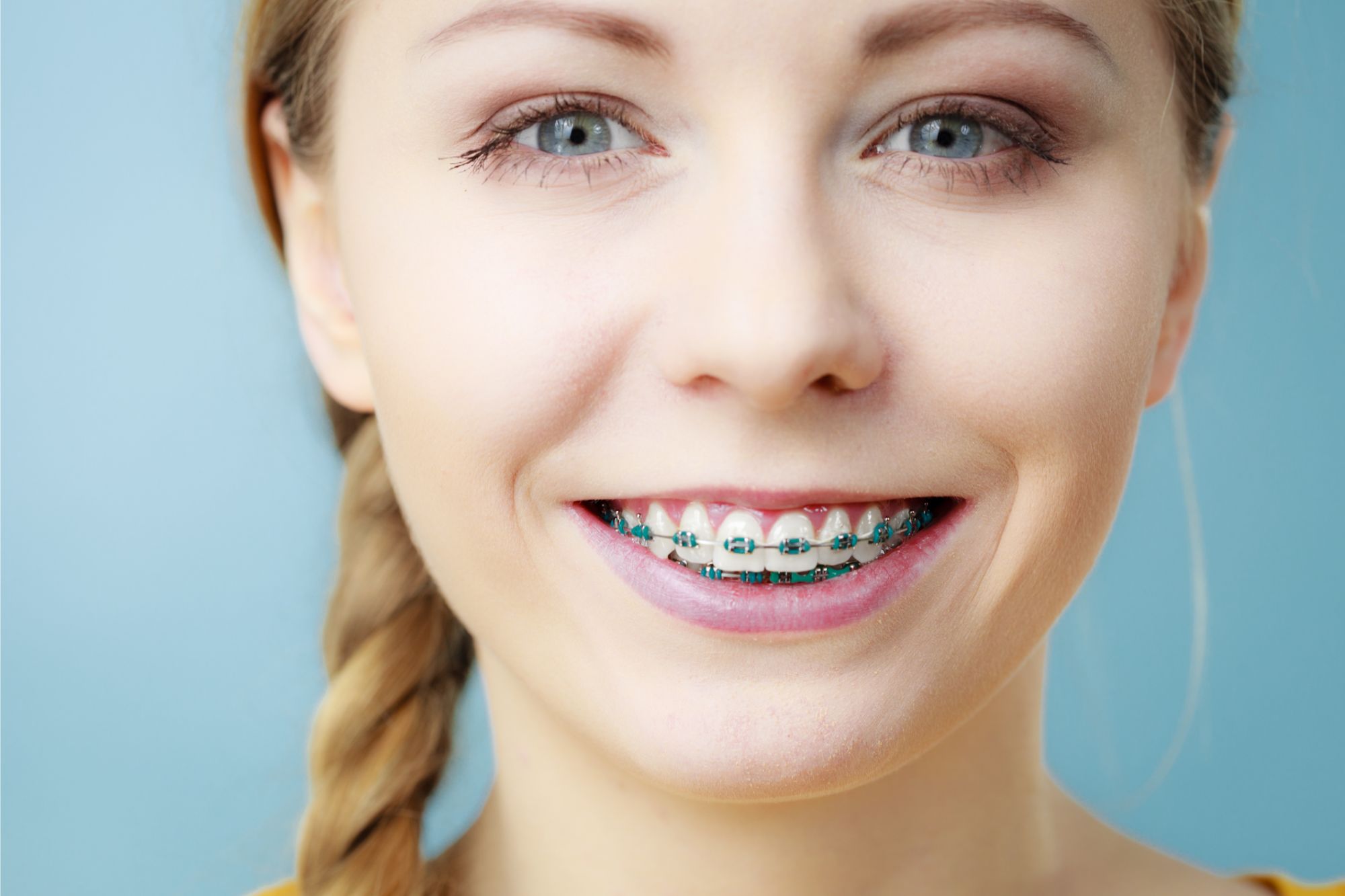

Picking an orthodontist for your kid is a bigger decision than most people expect. The person you choose will be part of your family’s life for months or years, so it pays to find someone who combines clinical expertise with a warm, kid-friendly approach. Whether you’re in Setauket or the surrounding Three Village area, this guide covers what parents should look for when selecting an orthodontist who’s the right match for their child, from credentials and office culture to cost and timing.
What Makes a Great Children’s Orthodontist?
A great children’s orthodontist combines specialized training in tooth movement and jaw alignment with the ability to make young kids feel comfortable and confident. This type of dental specialist has completed two to three years of advanced residency training beyond dental school, focusing exclusively on bite correction and facial development. That extra education sets orthodontists apart from general dentists, who handle broader oral health but don’t receive the same intensive focus on alignment and growth.
The American Association of Orthodontists recommends that children have their first orthodontic evaluation by age 7. At that age, an orthodontist can spot early signs of jaw growth concerns or crowding while your child still has a mix of baby and permanent teeth. Catching things early opens up more possibilities, and families in the Setauket area have access to experienced specialists who focus on exactly this kind of early detection.
But credentials alone don’t make someone great with kids. The best children’s orthodontists create an atmosphere where young families feel comfortable and even excited about their visits. They explain things in ways children understand. They celebrate small wins. Look for someone who takes time to talk directly to your child, not just to you. A warm, patient chairside manner makes a real difference in how kids feel about wearing braces or aligners for months on end.

How to Evaluate and Choose an Orthodontist in Setauket for Your Child
Choosing the right orthodontist doesn’t have to feel overwhelming. Break it down into steps:
- Research credentials and training. Look for certification from the American Board of Orthodontics. This voluntary step means the orthodontist has demonstrated expertise beyond the minimum requirements. Professional memberships in organizations like the ADA and AAO are also good signs. A board-certified orthodontist has passed rigorous exams that test both knowledge and clinical skill, which gives you an extra layer of confidence.
- Read reviews and ask around. Talk to other parents in Setauket and the surrounding communities about their experiences. Online reviews reveal patterns in satisfaction, office atmosphere, and how the team handles concerns. Pay attention to what people say about how the orthodontist interacts with children specifically. Look for reviews that mention specific details rather than vague praise.
- Schedule a free consult. Most orthodontic offices offer complimentary initial visits. Tour the office, meet the team, and watch how your child responds. Do team members interact warmly with young families? Does your kid seem at ease? A good free consult should feel like a conversation, not a sales pitch.
- Ask targeted questions. How much experience does the orthodontist have with pediatric cases? What treatments do they offer for kids? How do they handle after-hours emergencies? What technology do they use for imaging and planning? Don’t be shy about asking how many kids they see each week or what their approach looks like for nervous patients.
- Think about logistics. Office hours, location, and scheduling flexibility all matter. An orthodontist who offers visits that work around school schedules makes the whole process easier for busy families. Don’t underestimate how much this affects your week-to-week experience. If the office is a 30-minute drive from your home or your child’s school, that adds up fast over 18 months of regular visits.
Take your time with this process. The right orthodontist will welcome your questions and give you straightforward answers without pressuring you into a decision on the spot.
Benefits of Choosing the Right Orthodontist Early
Starting with the right orthodontist at the right time offers advantages that go well beyond a straight smile.
How Does Early Evaluation Reduce Complexity?
- Early detection of growth concerns. An evaluation around age 7 can identify jaw development issues before they become more involved. Some of these concerns are far easier to correct while your child is still growing, which can mean less invasive work down the road.
- Potentially shorter active treatment. When issues are caught early, the time your child spends in braces may be reduced. Fewer months in braces is a win for everyone, especially your kid.
- Growth-based planning. Your orthodontist can build a plan around your child’s ongoing jaw and tooth development rather than reacting to issues after they’ve fully set in. This forward-looking approach often leads to better outcomes with less effort.
Why Does Comfort With the Orthodontist Matter?
Kids who feel comfortable with their orthodontist are more likely to follow instructions, wear rubber bands, and look after their braces. A good relationship matters. It really does. When a child trusts the person adjusting their wires, the whole experience goes more smoothly.
A good orthodontist also offers choices like clear braces or Invisalign when appropriate, giving your family flexibility based on your child’s lifestyle and preferences. That kind of individual attention keeps kids engaged and invested in their own progress.
A conveniently located office with flexible scheduling means fewer missed school days and easier planning for parents. Less disruption, more consistency. For Setauket families, having a local orthodontist eliminates long drives and makes it realistic to keep every visit on the calendar.
Comparing Your Orthodontic Choices: Metal Braces, Clear Braces, and Invisalign
Understanding the differences between the main appliance types helps you ask better questions during your free consult. Here’s how they compare:
| Appliance Type | Best For | Visibility | Maintenance | Typical Age Range |
|---|---|---|---|---|
| Metal Braces | Complex cases, all ages | Most visible | Fixed; regular adjustments | Any age |
| Clear Braces | Older kids wanting discretion | Less noticeable | Fixed; may stain without proper cleaning | Typically 10+ |
| Invisalign | Mild to moderate cases | Nearly invisible | Removable; requires discipline | Typically teens |
All three appliance types are widely available at orthodontic offices in the Setauket area, so you won’t need to travel far regardless of which route you and your orthodontist decide on.
Metal Braces
Metal braces remain the most versatile option. They handle complex bite issues well and tend to be the most budget-friendly choice. Modern metal braces are smaller and more comfortable than what you might remember from your own childhood. The brackets are lower profile, the wires are more flexible, and the overall experience is far less bulky than it used to be.
Clear Braces
Clear braces function similarly to metal braces but use ceramic brackets that blend with tooth color. Many older kids and teens prefer this less noticeable option because it gives them confidence during school and social activities. The brackets can stain if your child drinks a lot of soda or doesn’t brush well, so they do require a bit more attention to oral hygiene.
Invisalign
Invisalign uses a series of clear, removable aligners. It works well for teens with mild to moderate alignment needs who have the maturity to wear aligners consistently, typically 20 to 22 hours per day. Not every teen is a good candidate, so honest assessment matters here. The removable design makes eating and brushing easier, but the tradeoff is that results depend entirely on compliance.
Not every option works for every child. A qualified orthodontist will evaluate your child’s specific needs and recommend the plan most likely to achieve amazing results. During your free consult, ask about the orthodontist’s experience with each appliance type and which one they’d suggest for your child’s situation.
What Affects the Cost of Children’s Braces and Aligners?
The cost of straightening your child’s teeth depends on case complexity, appliance type, insurance coverage, and payment plan availability. Here’s how each factor plays a role:
Case complexity is the biggest factor. A child with significant crowding or bite issues will typically require longer active treatment than one with minor alignment concerns. More complex cases mean more visits and adjustments, which drives up cost. Two kids in the same classroom could have very different price quotes based solely on what’s happening in their mouths.
Appliance type also affects the total. Metal braces are generally the most affordable option, while Invisalign and clear braces carry a higher price tag due to materials and technology. The gap between metal and clear braces is usually modest, but Invisalign can cost noticeably more depending on the case.
Insurance coverage can significantly reduce your out-of-pocket expenses. Many dental insurance plans include orthodontic benefits for children, so check whether a given office is in-network with your plan before committing. Call your insurance company directly and ask about lifetime orthodontic maximums, age limits, and whether they require pre-authorization.
Payment plans also make treatment accessible. Many Setauket-area orthodontic offices offer flexible payment plans and budget-friendly financing, so finances won’t stop your child from getting a healthy, straight smile. Some offices break the total into monthly installments with no interest, while others work with third-party financing companies.
When comparing costs across offices, ask what’s included in the quoted price. Retainers, follow-up visits, and emergency adjustments should all be factored into your decision. Some offices bundle everything into one fee. Others charge separately. Worth asking about. A lower upfront quote that doesn’t include retainers might end up costing more than a higher quote that covers everything.

How to Know If Your Child Is Ready for Braces or Aligners
Your child may be ready for orthodontic work if they show signs like crowded teeth, bite misalignment, or jaw clicking. The AAO recommends a first evaluation by age 7, though active treatment typically begins between ages 11 and 14.
Signs That May Indicate a Need for Evaluation
Watch for these common indicators:
- Crowded or overlapping teeth
- Teeth that don’t meet properly when biting
- Difficulty chewing or biting
- Prolonged thumb-sucking habits
- Early or late loss of baby teeth
- Mouth breathing or jaw clicking
Phase 1
Phase 1 (also called early or interceptive treatment) addresses skeletal or developmental issues while your child’s jaw is still growing. This might involve appliances that guide jaw growth or create space for permanent teeth. Not every child needs Phase 1, but for those who do, it can simplify Phase 2 considerably.
Phase 2
Phase 2 typically begins once most permanent teeth have erupted, usually between ages 11 and 14. This is when braces or aligners align the full set of adult teeth into their final positions. The length of Phase 2 depends on how much correction is needed and how well your child follows instructions about rubber bands, retainers, and oral hygiene.
A qualified orthodontist won’t recommend treatment before it’s truly needed. If your child isn’t ready, a good orthodontist will monitor their development and let you know the ideal time to begin. That kind of patience and honesty matters when you’re trusting someone with your kid’s smile. Don’t feel pressured to start before the timing is right.
Frequently Asked Questions About Finding a Children’s Orthodontist
What age should my child first see an orthodontist?
According to the American Association of Orthodontists, children should have their first orthodontic evaluation by age 7. At this age, enough permanent teeth have emerged to identify potential issues, but your child is still young enough for early intervention if needed. Most Setauket orthodontic offices welcome younger children for an initial screening at no cost.
What’s the difference between an orthodontist and a dentist?
Both are dental professionals, but orthodontists complete an additional two to three years of specialized residency training after dental school. This training focuses specifically on moving teeth, correcting bites, and guiding jaw development. Your family dentist handles general oral health, while an orthodontist specializes in alignment. Think of it like the difference between a general practitioner and a specialist in medicine.
How long does treatment typically take for kids?
Most children wear braces or aligners for 12 to 24 months, though this varies based on the complexity of their case. Your orthodontist will provide a more specific timeline during your free consult. Some Phase 1 cases wrap up faster, while more involved cases may take closer to two years or slightly beyond.
Does my child need a referral to see an orthodontist?
No referral is typically required. You can schedule a free consult directly with an orthodontic office. Many families find their orthodontist through recommendations from their general dentist, friends, or online research. If your dentist does suggest a specific orthodontist, that’s worth considering, but you’re always free to explore other options on your own.
Are virtual consults a good first step?
Yes, virtual consults can be a convenient way to get initial feedback about your child’s orthodontic needs. They’re especially helpful for busy families who want to gather information before committing to an in-person visit. Many orthodontic offices now offer this option so families can get started on their own schedule. It’s a low-commitment way to get answers and see if the office feels like the right fit.
How do I know if my child’s orthodontist is board certified?
You can verify board certification through the American Board of Orthodontics website. Board-certified orthodontists have passed written and clinical examinations that go beyond the requirements for licensure. Not all orthodontists pursue board certification, so this is a meaningful differentiator when you’re comparing providers. Ask about it during your free consult, and don’t hesitate to look it up yourself beforehand.