
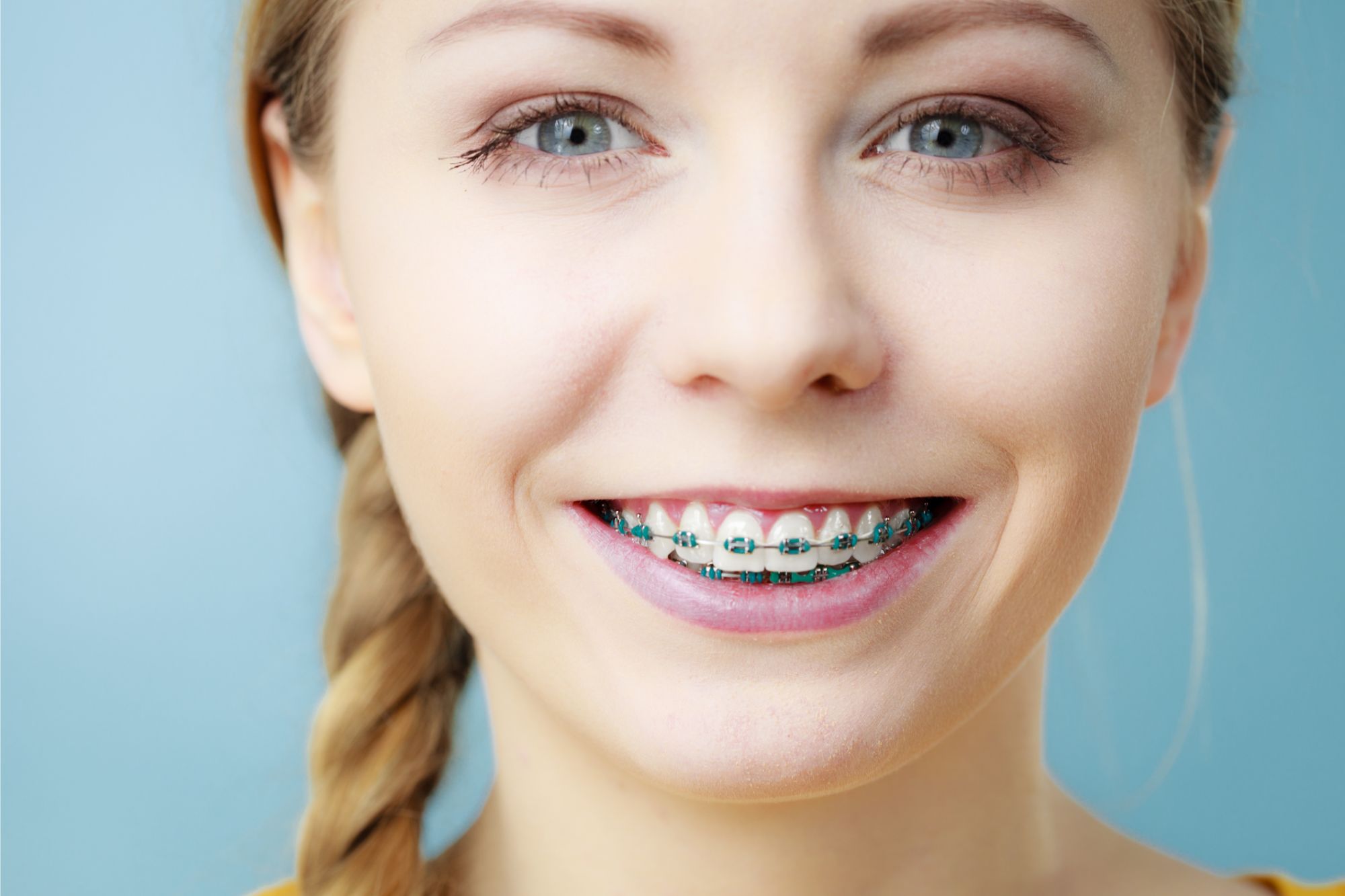
No, it’s not too late for braces. Adults of any age can straighten their teeth as long as their teeth and gums are healthy, because bone continues to remodel throughout life. The real question always starts with health, not birthdays.

Is It Too Late for Braces as an Adult?
Adults make up a real and growing share of orthodontic patients today, and that share keeps climbing as discreet options become the norm.
Here’s the biology behind it. The bone that holds your teeth in place responds to gentle, steady pressure at 45 the same way it does at 14. Movement is possible. What changes is the planning around it.
Adults typically come to Three Village Orthodontics for one of four reasons:
- Crowding that makes brushing and flossing harder than it should be
- Spacing or gaps that have widened over the years
- Bite issues like an overbite, underbite, or crossbite that never got addressed
- Relapse after childhood braces, usually from years without retainer wear
Dr. Andrew Everett has treated patients of all ages, and he’ll tell you the same thing at every free consult: healthy gums and stable bone support matter far more than the year on your driver’s license. Every week, our team meets adults who assumed their window had closed years ago, and most of them are surprised by how straightforward the plan turns out to be.
How Orthodontic Treatment as an Adult Works, Step by Step
At Three Village Orthodontics, the process follows a clear sequence from first visit to final retainer. Knowing what happens at each stage takes most of the guesswork out of it.
- Your free consultation and records. Dr. Everett starts with an exam and a full set of records: digital photos of your teeth and jaws, a digital scan, and X-rays. These show what’s happening below the gumline, not just what’s visible when you smile.
- Diagnosis and your customized treatment plan. Next comes the plan itself. Dr. Everett reviews your records, explains what he sees, and outlines your goals, your treatment options, and a realistic timeline. You’ll know what’s involved before you commit to anything.
- Placing your appliance. For braces, brackets are bonded to your teeth and connected with a wire. For Invisalign, you’ll receive your first set of custom trays along with wear instructions. Either way, this visit is longer than the ones that follow.
- Progress visits every 4 to 8 weeks. Braces call for wire adjustments or changes, which Dr. Everett handles at each visit. Aligner wearers switch trays on schedule at home and stop in periodically so he can confirm your teeth are tracking as planned. Most of these visits are short and easy to fit around work.
- Retainers. Once your teeth reach their new positions, retainers hold them there. This step isn’t optional. Teeth have memory, and retainers are what protect the amazing results you just spent months earning.
Short on time? A virtual consult lets you send photos and get an initial read from Dr. Everett before you ever step into the office. It’s a low-commitment way to find out whether adult treatment makes sense for you.
What Are the Benefits of Straightening Your Teeth as an Adult?
Straight teeth aren’t just about photos. The functional payoff is significant, and it compounds over decades.
Cleaning gets easier first. Overlapping teeth create tight spots that floss and bristles can’t reach well, so plaque settles in where you can’t see it. Aligned teeth are simpler to clean, which lowers your risk of decay and gum disease over the long run.
Your bite also wears more evenly. When upper and lower teeth meet correctly, chewing forces spread across the arch instead of hammering a few teeth. That means less uneven wear, fewer chips, and less strain on your jaw joints and muscles as the years go by.
Chewing and speech tend to improve too. Some adults don’t realize how much they’ve been compensating until the bite is corrected. Food is easier to break down, and certain sounds come out cleaner without much conscious effort.
Then there’s confidence, which follows you into the room. Job interviews, presentations, weddings, first dates: a smile you’re not managing or hiding changes how you carry yourself, and we hear that from our family all the time.
Daily life, meanwhile, barely changes. Clear aligners and clear braces are discreet enough that most people won’t notice. You can meet with clients on Monday and still be quietly transforming your smile through the rest of the week.
There’s also the preventive angle. Correcting alignment now can reduce the odds of restorative work later, since worn, chipped, or hard-to-clean teeth tend to need more attention as the years add up.
[IMAGE_SUGGESTION: Side-by-side before and after photos of an adult patient’s smile transformation]
Adult Treatment vs. Teen Treatment: What’s Different?
Adult treatment differs from teen treatment in three main ways: jaw growth is finished, so Dr. Everett moves teeth within the existing bone structure instead of guiding growth; existing dental work like crowns, bridges, and implants must be factored into planning; and some adult cases require coordination with your general dentist or a periodontist.
Adults also bring real advantages. Compliance tends to be excellent, because you chose this. Nobody dropped you off.
| Feature | Teen Treatment | Adult Treatment |
|---|---|---|
| Jaw growth | Still growing, so growth can be guided | Complete, so teeth move within existing structure |
| Dental history | Usually minimal restorative work | Crowns, bridges, implants, or missing teeth affect planning |
| Team involved | Orthodontist and general dentist | May include periodontist or other dental specialists |
| Appliance preference | Often metal braces with colored ties | Frequently Invisalign or clear braces |
| Compliance | Varies, often needs parental reminders | Typically high, self-motivated |
| Timeline | Can move quickly during growth spurts | May run slightly longer due to denser bone |
A few specifics matter. Implants don’t move, since they’re fused to bone, so they act as fixed anchors. Missing teeth may mean closing space or opening space for a future restoration. Gum health has to be stable before anything starts, which is why Dr. Everett sometimes sends patients to their dentist or a periodontist first.
Denser adult bone remodels more gradually than a teenager’s. That doesn’t stop treatment. Dr. Everett simply paces the forces appropriately, the kind of judgment that comes from specialty residency training and board certification through the American Board of Orthodontics.

Comparing Adult Treatment Options: Invisalign, Clear Braces, and Metal Braces
Adults generally choose among three treatment options. Invisalign uses removable clear trays worn 20 to 22 hours a day and is the most discreet choice. Clear braces are fixed brackets made of translucent ceramic that blend with your enamel. Metal braces are the most versatile for complex bites.
| Feature | Invisalign | Clear Braces | Metal Braces |
|---|---|---|---|
| Visibility | Nearly invisible | Subtle, blends with enamel | Visible, though smaller than years past |
| Removable? | Yes, for eating and brushing | No, bonded to teeth | No, bonded to teeth |
| Hygiene | Easiest, brush and floss normally | Requires careful brushing around brackets | Requires careful brushing around brackets |
| Case complexity | Handles many cases, some limits | Broad range of cases | Handles the most complex bites |
| Visit frequency | Periodic checks, trays changed at home | Every 4 to 8 weeks | Every 4 to 8 weeks |
| Food restrictions | None, trays come out | Avoid hard and sticky foods | Avoid hard and sticky foods |
So how do you find your perfect fit?
Start with your bite, not your preferences. A significant bite correction may point toward braces, where Dr. Everett has direct control over every tooth. A mild to moderate case with good discipline around wear time is often a strong Invisalign candidate.
Then factor in your life. Frequent presenter or performer? Removable trays might suit you. Prefer an appliance you never have to remember? Fixed brackets do the work whether you think about them or not.
Clear braces, clear confidence. Modern metal braces, meanwhile, are lighter and more comfortable than the ones you remember from high school. There’s no wrong answer here, only the right match for your case, and Dr. Everett will walk you through the trade-offs at your free consultation.
How Long Does Adult Treatment Take?
Most adult cases run about 12 to 30 months. Simple alignment corrections finish on the shorter end. Full bite corrections, cases involving missing teeth, or plans requiring coordination with other dental providers take longer.
Several factors shape the timeline:
- How much movement is needed. Mild crowding is a different project than a full bite correction, and the plan reflects that.
- Which appliance you choose. Invisalign, clear braces, and metal braces each move teeth on a somewhat different schedule.
- Overall treatment length. Longer cases mean more visits and more materials.
- Additional dental work. Some plans involve extractions, restorations, or periodontal care before or during treatment.
- Retainer wear afterward. Skipping retainers is the most common reason adults end up needing a second round. Wearing them as directed protects the results you already earned.

Are You a Good Candidate for Braces as an Adult?
Most healthy adults qualify. The requirements are straightforward: healthy gums, stable bone support around the roots, and any active decay treated first. Everything else is a planning detail rather than a disqualifier.
Adulthood is a fine time to start, and you’ll be in experienced hands. Dr. Andrew Everett earned his DDS at Columbia University’s College of Dental Medicine, completed a three-year orthodontic residency where he served as chief resident and won the Herzberg Award for top-performing resident, and is a board-certified orthodontist through the American Board of Orthodontics, with memberships in the American Association of Orthodontists, the American Dental Association, the New York State Dental Association, and the Suffolk County Dental Association. This is where expertise meets genuine care, and second chances at a great smile are routine at Three Village Orthodontics. Every visit here is built around your goals rather than a template. Book a free consultation in person, or start with a virtual consult from wherever you are. Start your smile story whenever you’re ready.
Do I need healthy gums before starting treatment?
Yes. Moving teeth through inflamed tissue or compromised bone isn’t safe, so active gum disease and cavities are treated before your smile story starts. Dr. Everett coordinates with your general dentist or periodontist when needed. Once things are stable, treatment can move forward normally.
What issues can adult orthodontics correct?
Crowding, gaps, overbite, underbite, crossbite, open bite, and relapse after childhood braces are all treatable in adulthood. Dr. Everett has corrected each of these many times over the course of a career spent caring for patients of all ages, from first-time adult cases to relapse years after childhood braces. Complexity affects the plan, not your eligibility.
What if I’ve had bone loss or lost a tooth?
You may still be a candidate, though the plan will look different. Reduced bone support calls for lighter forces and closer monitoring. Missing teeth can be handled by closing the space or by opening ideal space for an implant or bridge your dentist places later.
How do I know for sure?
Records are the only way to confirm. Photos, a digital scan, and X-rays show Dr. Everett your root positions, bone levels, and bite relationship, and that’s what a diagnosis is built on. A guess from a mirror can’t replace it. If you’re curious, a free consult with Dr. Everett and his team is the fastest way to turn that curiosity into a clear answer.