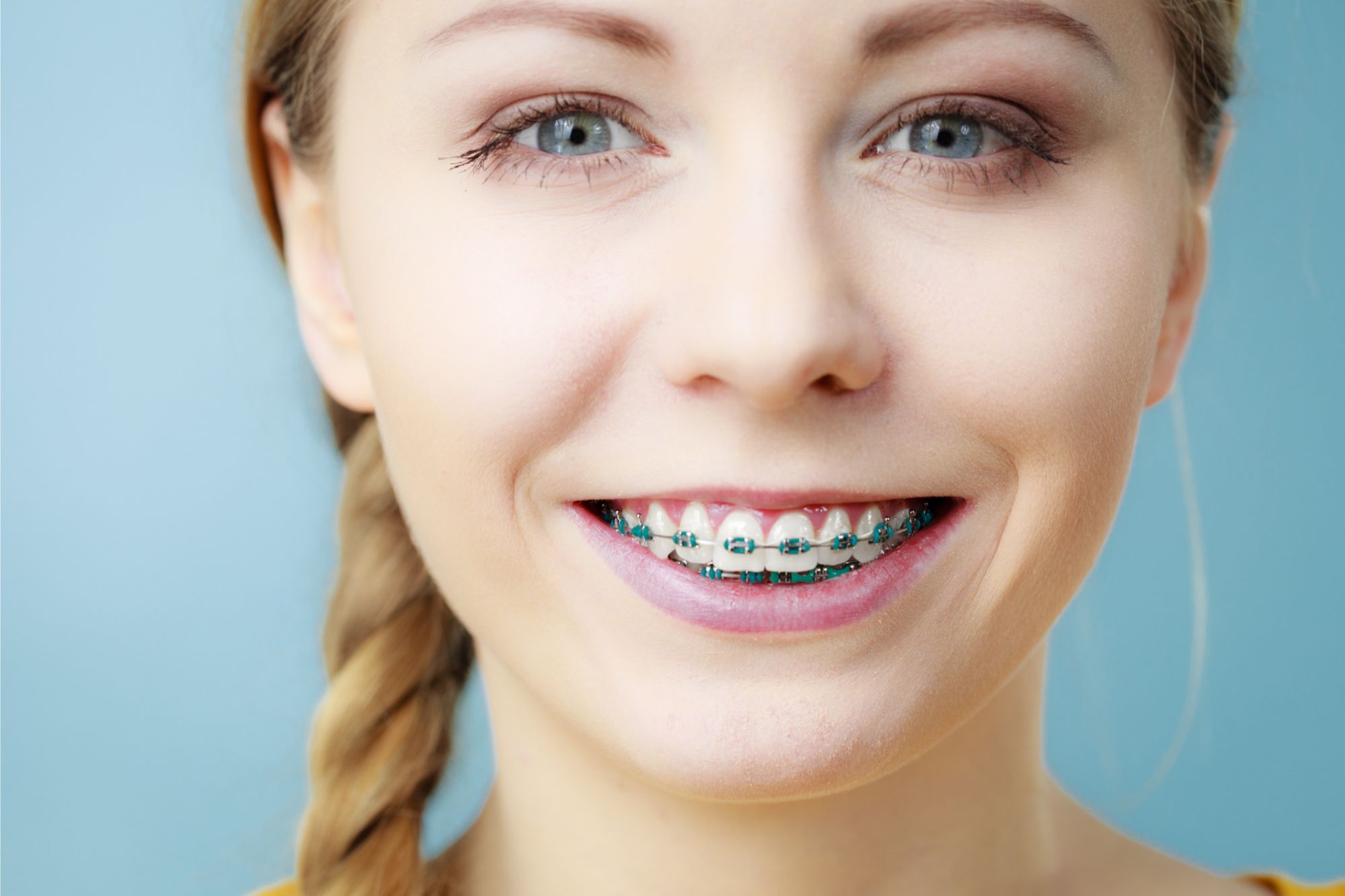

Deciding between a pediatric dentist or orthodontist for your child’s misaligned teeth comes down to the type of care they need. A pediatric dentist handles routine cleanings, cavities, and overall oral health. An orthodontist, like Dr. Everett, focuses on tooth alignment, bite correction, and jaw development. Most kids benefit from both working together as a team supporting your child’s growing smile.
Below, we’ll break down what each specialist does, when to visit which one, and the signs that suggest it’s time for an orthodontic evaluation.

Pediatric Dentist vs. Orthodontist: The Short Answer
A pediatric dentist is a dental specialist who cares for children’s teeth and gums from infancy through the teen years. An orthodontist is a dental specialist who diagnoses and treats tooth alignment and jaw development for patients of all ages. Both complete dental school first, then pursue added specialty training to serve families well.
Here’s where it gets practical for parents weighing a pediatric dentist vs orthodontist decision:
- Pediatric dentists manage cleanings, cavities, fluoride treatments, sealants, and routine checkups.
- Orthodontists design treatment plans involving braces, clear aligners, expanders, and retainers.
- Both complete dental school, followed by two to three added years of specialty residency.
- Many families need both providers working together, not one or the other.
Dr. Andrew Everett, DDS, completed advanced orthodontic training after dental school and is board-certified by the American Board of Orthodontics. That extra training is what qualifies him to focus exclusively on alignment and jaw growth, rather than general dentistry.
How Each Specialist Approaches Misaligned Teeth
Pediatric dentists and orthodontists both play a role when teeth come in off-track, but they approach the situation differently. Understanding how each specialist works can help you figure out when to see an orthodontist for your child.
What a pediatric dentist does:
- Monitors tooth eruption and spacing at routine six-month visits.
- Checks bite development and jaw growth during childhood exams.
- Flags concerns like crowding, crossbite, or early tooth loss.
- Refers to an orthodontist when alignment or jaw concerns appear.
What an orthodontist does:
- Performs a detailed evaluation using digital imaging, X-rays, and growth assessments.
- Diagnoses concerns like crowding, open bite, crossbite, or jaw discrepancies.
- Recommends treatment timing based on growth stage and dental development.
- Designs a customized treatment plan using braces, Invisalign, or growth appliances.
The American Association of Orthodontists (AAO) recommends every child have a first orthodontic evaluation by age 7. By this age, enough permanent teeth have come in and enough jaw growth has happened for Dr. Everett to spot concerns early, even if treatment isn’t needed yet.
For younger kids ages 7-10, Phase 1 (interceptive) treatment may be used to guide jaw growth or create space for incoming adult teeth. Phase 2 is the full treatment stage, usually in the early teen years, that aligns all the permanent teeth. In most families, the pediatric dentist and orthodontist work as a team, with the dentist handling cleanings and cavities while the orthodontist handles alignment.
Benefits of Seeing the Right Specialist Early
Getting your child in front of the right specialist at the right time can make a real difference in both the outcome and the length of treatment. Here’s what early, specialist-led care can offer your family:
- Catching concerns before they grow. Early orthodontic evaluation lets Dr. Everett spot crossbite, crowding, and jaw growth concerns while there’s still time to guide development naturally through childhood.
- Reducing the need for extractions later. Interceptive treatment during childhood can sometimes prevent the need for pulling permanent teeth down the road, saving time and effort.
- Using growth to your advantage. Expanders and other growth appliances work best during childhood growth spurts, when the upper jaw is still flexible and responsive to gentle guidance.
- Shorter treatment time overall. Addressing concerns early often means less time in braces or aligners during the teen years when school and social life get busier.
- Better confidence, speech, and chewing. Correcting bite and alignment early supports clearer speech, easier chewing, and the kind of beautiful, confident smiles kids carry into adulthood.
- Monitoring without treatment. Not every age-7 evaluation ends in braces. Often, Dr. Everett simply watches your child’s growth over time and recommends treatment only when it’s truly needed.
That last point matters. An early evaluation doesn’t mean early treatment. It means early information, so you and your family can plan ahead instead of reacting later. Pediatric dentists also keep cavities and gum concerns in check, which keeps future orthodontic care on track and running smoothly.

Pediatric Dentist vs. Orthodontist: Side-by-Side Comparison
If you’re still weighing which specialist your child needs, this quick comparison can help clarify the differences at a glance:
| Category | Pediatric Dentist | Orthodontist |
|---|---|---|
| Training | Dental school + 2-3 years pediatric residency | Dental school + 2-3 years orthodontic residency |
| Ages served | Infancy through late teens | Patients of all ages |
| Primary focus | Overall oral health for children | Tooth alignment and jaw development |
| Common services | Cleanings, fillings, sealants, fluoride | Braces, Invisalign, expanders, retainers |
| When to visit | Every 6 months for routine care | Age 7 screening or when alignment concerns appear |
The simplest way to think about it: your child’s pediatric dentist handles everyday oral health, and the orthodontist steps in when teeth or jaws need to be guided into a better position. Many families keep both relationships going throughout childhood and the teen years so nothing gets missed along the way.
If you’ve noticed something concerning between dental visits, you don’t have to wait for a referral. You can schedule a free consult with Three Village Orthodontics directly, and Dr. Everett will let you know whether treatment is needed, whether to wait, or whether to keep monitoring.
Signs Your Child Needs an Orthodontic Referral
Not every child needs orthodontic care, but there are specific signs that suggest it’s time for an evaluation. If you notice any of these, consider scheduling a visit with an orthodontist:
- Early or late loss of baby teeth. Baby teeth that fall out too soon or stick around too long can affect how adult teeth come in.
- Difficulty chewing or biting. If your child avoids certain foods or struggles to bite into them, alignment may be a factor.
- Mouth breathing. Persistent mouth breathing can be tied to jaw development and airway concerns.
- Thumb sucking past age 5. Prolonged thumb sucking can shift tooth position and affect the shape of the palate.
- Crowded, misplaced, or blocked-out teeth. Visible crowding is one of the clearest signs it’s time for an evaluation.
- Jaws that shift or make sounds. Clicking, popping, or shifting jaws can point to bite concerns worth checking.
- Protruding front teeth, crossbite, or underbite. Any visible bite misalignment is a reason to see Dr. Everett.
Even if you’re not sure whether what you’re seeing qualifies, a free consult is a low-pressure way to get expert input.
Frequently Asked Questions
At what age should my child see an orthodontist?
The American Association of Orthodontists recommends every child have a first orthodontic evaluation by age 7. By this age, enough permanent teeth have erupted and enough jaw growth has occurred for Dr. Everett to spot developing concerns. Most age-7 evaluations don’t lead to immediate treatment, just helpful monitoring over time.
Can a pediatric dentist fix misaligned teeth?
Pediatric dentists are trained in children’s oral health, not in tooth alignment or jaw correction. For minor cosmetic concerns, they may offer limited options, but for actual alignment issues, crowding, or bite correction, an orthodontist is the right specialist. The two providers often work together as a team to support your child.
Do misaligned baby teeth mean misaligned adult teeth?
Often, yes, but not always. Baby teeth that come in off-track can be a sign that the adult teeth will follow a similar pattern, especially if there are space or jaw development concerns. An age-7 orthodontic evaluation is the best way to know whether adult teeth are likely to come in straight or need guidance.
Can kids get braces on baby teeth?
Yes, in Phase 1 interceptive treatment, kids ages 7-10 may receive partial braces, expanders, or other appliances while they still have some baby teeth. The goal isn’t to straighten baby teeth for cosmetic reasons but to guide jaw growth and create room for incoming adult teeth.
Is Phase 1 orthodontic treatment necessary?
Phase 1 treatment isn’t needed for every child. It’s recommended when early intervention can prevent bigger concerns later, like severe crowding, crossbite, or jaw growth issues. Dr. Everett will let you know during a free consult whether Phase 1 is right for your child or whether it makes more sense to wait and monitor over time.

Ready to Find Out What Your Child Needs?
If your child’s teeth are coming in off-track, or if you’ve been wondering whether it’s time for an orthodontic opinion, Dr. Everett and his team are here to help you find your perfect fit. A free consult at our Stony Brook Office is the easiest way to get clear answers, whether that means starting treatment, waiting a bit, or simply monitoring growth over time.
Three Village Orthodontics has been serving families across Stony Brook, Setauket, and Suffolk County for over 30 years. Call our Stony Brook Office at (631) 689-3131 or schedule your free consult online to start your child’s smile story.