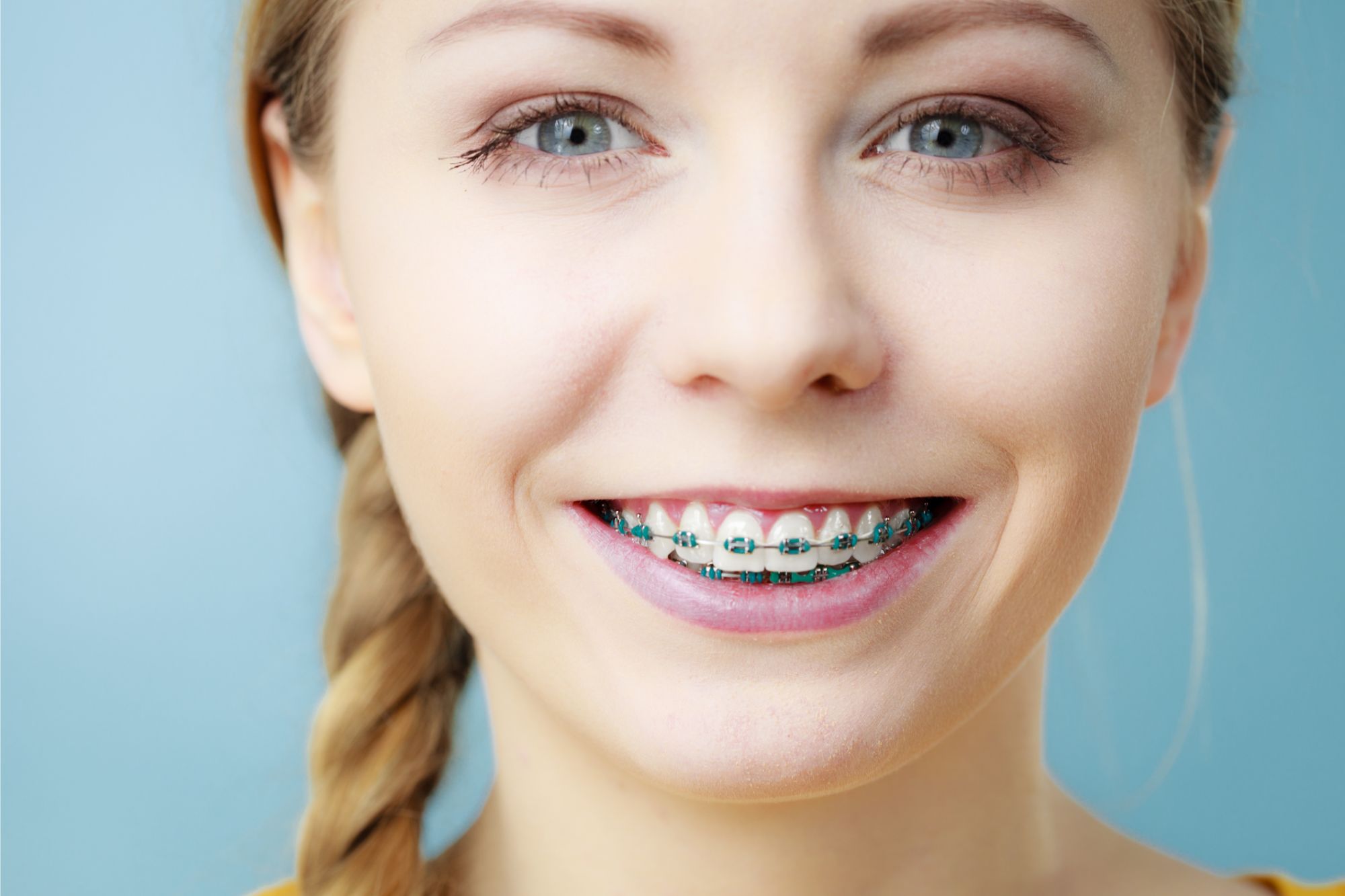

Knowing what to look for in a family orthodontist for every age and stage comes down to one thing: finding a board-certified specialist who treats bite and alignment issues for kids, teens, and adults in a single office. Family orthodontists coordinate care across generations, using the same diagnostic records and planning process for a 7-year-old and a 47-year-old.

What Is a Family Orthodontist?
A family orthodontist is a dental specialist who diagnoses and treats bite and alignment issues for people of all ages in one practice, from a child’s first evaluation through adult retreatment. Rather than sending family members to different offices, they manage care for siblings, parents, and grandparents under one roof.
Here’s the training difference. Every orthodontist finishes four years of dental school first. Then comes a two- to three-year residency focused entirely on tooth movement, jaw growth, and bite mechanics. That’s where the specialty designation comes from.
A general dentist can offer aligners. Many do. But their training centers on overall oral health, not the biomechanics of moving teeth through bone. Dr. Andrew Everett, DDS, completed his dental education at Columbia University and then finished a three-year orthodontic residency, where he served as chief resident and won the Herzberg Award, given to the top-performing resident in his program. He’s a board-certified orthodontist and a member of the American Association of Orthodontists (AAO), the ADA, and NYSDA.
That distinction matters most when a case gets complicated. Severe crowding, skeletal bite discrepancies, impacted teeth, and growth-timing decisions all sit squarely in a specialist’s wheelhouse. Board certification adds one more layer of assurance, since it means the orthodontist voluntarily sat for written and clinical examinations well beyond what the residency itself required.
How Family Orthodontic Care Works at Each Age and Stage
Family orthodontic care follows a predictable sequence. It starts with a first evaluation around age 7, moves to optional interceptive care between ages 8 and 11, then full treatment once the permanent teeth arrive around ages 11 to 15. Adults can start at any point. Retainers protect the finished result at every age.
The diagnostic first steps stay the same no matter when you begin, so nobody receives a shortened version of the workup simply because of their age.
What Happens at the Age 7 First Evaluation?
The AAO recommends that children have their first orthodontic checkup no later than age 7. Enough permanent teeth have come in by then for Dr. Everett to see how the bite is developing and how the jaws are growing together.
Most 7-year-olds don’t need anything yet. That’s fine. The point is having a specialist watch the growth pattern so treatment starts at the ideal moment, not after a window closes. If nothing needs attention, your child is simply placed on a growth-monitoring schedule with short check-ins every six to twelve months, and those visits cost you nothing but a few minutes.
What Is Phase 1 Interceptive Care for Ages 8 to 11?
Some kids benefit from a short early phase. Phase 1 addresses things like severe crowding, crossbites, narrow upper jaws, and habits that shift teeth out of position.
Common Phase 1 goals include:
- Creating room for permanent teeth that would otherwise become impacted
- Correcting a crossbite before it affects jaw growth
- Guiding upper and lower jaw development into better balance
- Reducing the chance of trauma to protruded front teeth
Phase 1 usually runs six to twelve months, followed by a resting period while the remaining permanent teeth come in. It rarely replaces full treatment, but it often makes the second stage shorter and more predictable.
What Does Full Treatment Look Like for Ages 11 to 15?
Once the permanent teeth have erupted, most teens move into full treatment with metal braces, clear braces, or Invisalign. This is the age range when the majority of orthodontic cases get finished.
Growth is still active during these years, which gives Dr. Everett room to correct bite relationships that become harder to shift later. Visits typically fall every six to ten weeks, and most teens settle into the routine quickly once the first few weeks pass.
What Are the Treatment Options for Teens and Adults?
Adults have the same treatment options teens do. The right choice depends on case complexity, daily routine, and how visible you want your appliance to be. Dr. Everett will walk you through each one during your free consultation and help you find your perfect fit based on what the records show, not on guesswork.
Why Does Retention Matter at Every Age?
Teeth drift. Retainers are what keep your amazing results in place long-term, and they matter just as much for a 12-year-old as they do for a 50-year-old.
Most families wear retainers full-time for a stretch after the appliances come off, then shift to nights only. That nightly habit is the part people underestimate, and it’s the single biggest predictor of whether a finished smile stays finished a decade from now.
Does the First Visit Look the Same at Every Age?
Whatever your age, the first visit looks similar: digital imaging of your teeth and jaws, a bite evaluation, a review of your dental history, and a customized treatment plan built around what the records show.
Those records also become a baseline. Years later, they let Dr. Everett compare how a bite has changed rather than starting the conversation from scratch.

Benefits of Choosing One Family Orthodontist for the Whole Family
Consolidating care with a single orthodontist saves real time and creates better outcomes. Here’s what your family gains:
- Fewer trips, less disruption. Siblings can often be scheduled back-to-back, which means one drive and one block of time off work or school instead of three.
- Hereditary bite patterns get caught early. Crowding, deep bites, and jaw discrepancies frequently run in families. An orthodontist who has already treated your older child knows exactly what to watch for in your younger one.
- Consistent treatment philosophy. Everyone in your household gets evaluated by the same specialist using the same standards, so you’re never comparing conflicting advice from two different offices.
- One point of contact. Questions about any family member’s treatment go to the same team, so nobody has to repeat a child’s history or track down a separate office for an update.
- Kids watch their parents do it too. When a parent wears aligners or braces, compliance goes way up for the child. Retainer wear stops being a chore and starts being a family thing.
- Continuity over the years. Records stay in one place. If your teen finishes treatment and needs a retainer replaced at 22, the history is already there, along with the original scans and the notes explaining every decision made along the way.
At Three Village Orthodontics, Dr. Everett and his team treat patients of all ages, which is what makes this kind of coordinated care possible.
Comparing Your Options: Specialist vs. General Dentist, and Treatment Types
How Does an Orthodontic Specialist Differ from a General Dentist?
| Orthodontic Specialist | General Dentist Offering Aligners | |
|---|---|---|
| Training after dental school | 2-3 year accredited residency in orthodontics | Continuing education courses or product-specific certification |
| Primary focus | Tooth movement, jaw growth, bite correction | Overall oral health, restorations, cleanings, prevention |
| Case complexity handled | Simple through complex, including skeletal and growth cases | Typically mild to moderate alignment cases |
| Board certification available | Yes (American Board of Orthodontics) | Not applicable to orthodontics |
| Growth timing decisions | Core part of specialty training | Limited |
How Do Metal Braces, Clear Braces, and Invisalign Compare?
| Metal Braces | Clear Braces | Invisalign | |
|---|---|---|---|
| Visibility | Most noticeable, though modern brackets are smaller than older versions | Blends with natural tooth color | Nearly invisible |
| Removable? | No | No | Yes |
| Compliance needed | Low (fixed, always working) | Low (fixed, always working) | High (20-22 hours daily wear) |
| Best-fit ages | Kids and teens, complex bites at any age | Image-conscious teens and adults | Self-disciplined teens and adults |
| Food restrictions | Yes | Yes | None (trays come out to eat) |
Metal braces still handle the toughest cases best, and they’re a practical pick for younger patients who don’t want to track a removable tray. Clear braces use translucent ceramic brackets that blend with your enamel, so you get the same fixed-appliance reliability with far less metallic glare. Invisalign works beautifully for people who will actually wear the trays as prescribed, and the trays come out for meals, brushing, and the occasional photo.
One word on mail-order aligners: they skip the in-person exam, the diagnostic imaging, and the ongoing supervision. No one is checking your root position or your gum health between trays. That’s a meaningful gap.
What to Ask When Evaluating a Family Orthodontist
A short list of questions tells you a lot about how a practice actually operates day to day. Here’s what’s worth asking at any consultation:
- Is the orthodontist board certified, and does the practice treat every age? That combination is what makes true family coordination possible.
- How are records handled across family members? A practice that keeps everyone’s history in one place can spot patterns a fresh office wouldn’t catch.
- What treatment options are actually offered? Ask whether recommendations are explained in plain terms, not just handed down.
- How are appointments coordinated for multiple family members? Back-to-back scheduling for siblings is a real convenience worth confirming up front.
- What does the retention plan look like once treatment finishes? A good practice has a clear answer, not a vague one.
A practice confident in its process will walk through all of this openly during your family’s free consultation, without you having to ask twice.
Signs It’s Time to Find a Family Orthodontist
Certain signs point toward an orthodontic evaluation, and they differ by age. Here’s what to watch for.
In children (ages 5-11):
- Baby teeth lost much earlier or much later than siblings
- Persistent mouth breathing
- Thumb sucking past age 4 or 5
- Teeth that overlap heavily or don’t have room to come in
- Upper teeth biting inside the lower teeth (crossbite)
- Jaw shifting to one side when biting down
In teens:
- Crowding or noticeable gaps between teeth
- Upper front teeth extending well past the lower teeth
- Clicking or popping in the jaw joint
- Teeth that are difficult to floss or brush thoroughly
- Biting the cheek or roof of the mouth
In adults:
- Teeth that have shifted since braces years ago
- Uneven wear along the edges of the front teeth
- Relapse after retainer wear stopped
- Trouble cleaning tight or overlapping areas
- A bite that feels off when chewing
Adults make up a meaningful and growing share of orthodontic patients today. Age is rarely the deciding factor. Healthy teeth and gums are.
A free consultation is the simplest way to find out where you stand. There’s no obligation, and you’ll leave knowing whether treatment makes sense right now or later. Bring your questions, bring your kids, and bring any records you already have from a general dentist. Dr. Everett and his team review everything together so your family hears one clear explanation instead of several conflicting ones. We love what we do, and it shows!

Frequently Asked Questions About Choosing a Family Orthodontist
At what age should my child first see an orthodontist?
The American Association of Orthodontists recommends a first orthodontic evaluation by age 7. Enough permanent teeth have erupted by then to reveal developing bite issues, crowding, or jaw growth concerns. Early evaluation doesn’t mean early treatment. Many children are simply monitored until the right moment arrives.
Is an orthodontist better than a dentist for braces?
For anything beyond mild alignment changes, yes. Orthodontists complete two to three additional years of accredited residency training focused specifically on moving teeth and guiding jaw growth. General dentists receive broad training across all of oral health, with far less depth in tooth movement mechanics.
Can adults and kids be treated at the same practice at the same time?
Absolutely, and it works well. A family practice can schedule a parent’s aligner check alongside a child’s adjustment visit, cutting down on separate trips. Kids also tend to wear their appliances more consistently when they see a parent doing the same thing.
How long does orthodontic treatment usually take?
Most full treatment runs somewhere in the 12 to 24 month range, depending on case complexity and how consistently you follow instructions. Minor corrections can wrap up faster. Phase 1 interceptive treatment in younger children is typically shorter, followed by a resting period before full treatment begins.
What questions should I ask at a first orthodontic consultation?
Ask about the orthodontist’s specialty training and board certification. Then cover the specifics: which treatment options fit your case, roughly how long it should take, how often you’ll come in, and what the retainer plan looks like afterward.
Does my child need braces twice (two-phase treatment)?
Only some children do. Two-phase treatment makes sense when an early issue like a crossbite or severe crowding is better corrected while the jaws are still growing. Most kids skip Phase 1 entirely and go straight to full treatment as teens. Your evaluation will tell you which path applies. If you’re unsure, a free consultation with Dr. Everett is a low-pressure way to learn whether your child’s growth pattern calls for early care or simple monitoring, and to find your perfect fit once the timing is right.