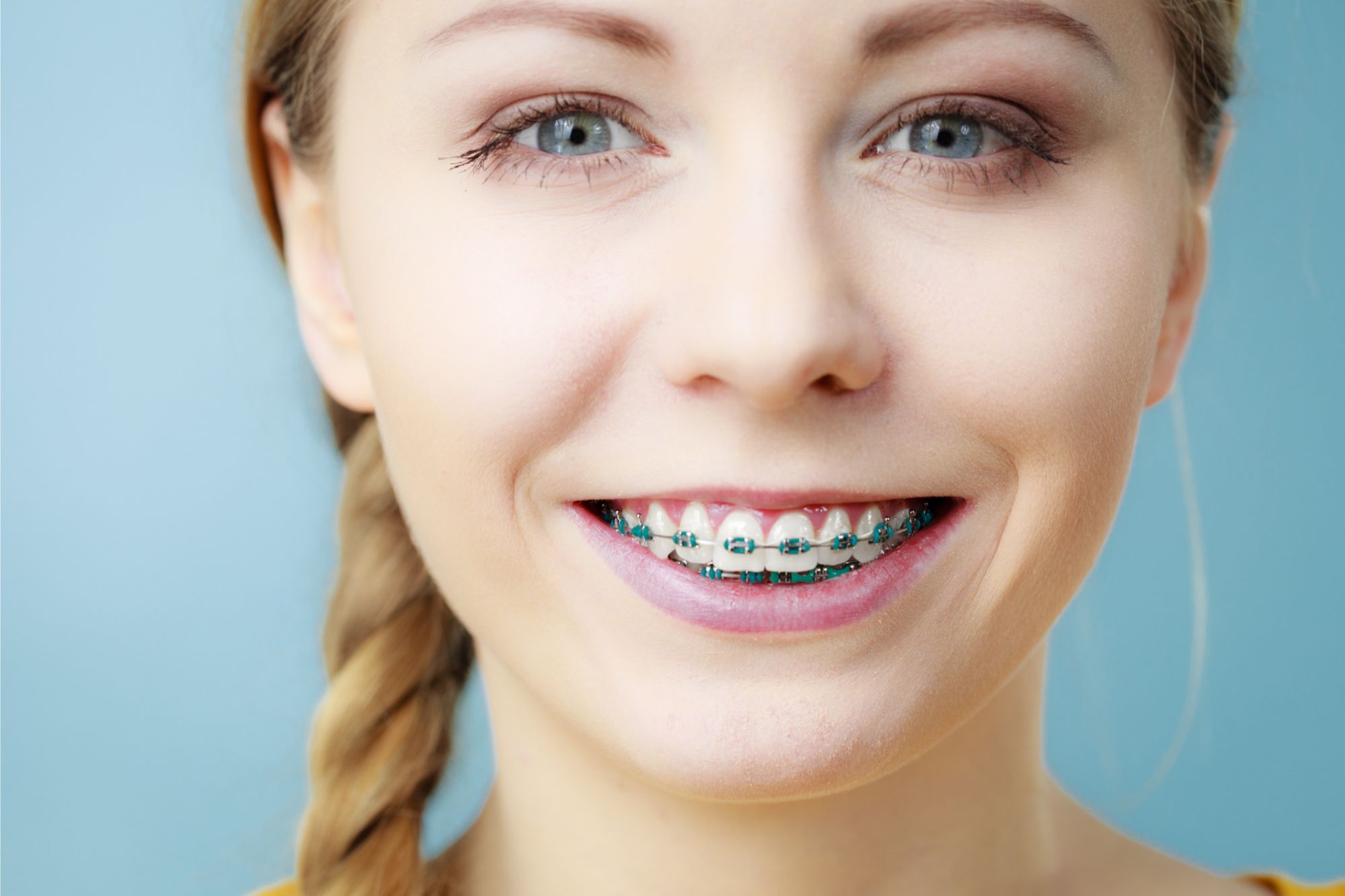

Helping your teen pick between Invisalign and braces for teens can feel like a big decision. Both work. Both deliver beautiful, confident smiles. The right choice really comes down to your teen’s clinical needs, personality, and daily routine. At Three Village Orthodontics, Dr. Everett and his team help families weigh these factors every day so parents can feel confident about the path they choose.

Invisalign vs. Braces for Teens: A Quick Overview
Invisalign vs. braces for teens comes down to two proven approaches. Invisalign uses custom clear aligner trays worn 20 to 22 hours a day. Traditional braces use small brackets and wires bonded to the teeth. Both straighten smiles effectively, and the best fit depends on your teenager.
Here’s the quick breakdown parents usually want first:
- Invisalign: A series of nearly invisible, removable aligners made from smooth plastic.
- Metal braces: Durable stainless-steel brackets paired with an archwire, adjusted at regular visits.
- Clear braces: Tooth-colored ceramic brackets that blend in while working like metal braces.
Each option can correct spacing, alignment, and bite concerns. The decision usually comes down to three things: what your teen’s teeth actually need clinically, how their lifestyle looks (sports, music, social confidence), and how reliable they’ll be about wearing aligners on schedule. Three Village Orthodontics offers all three options so families can find their perfect fit.
How Each Treatment Works for Teenagers
Both treatments move teeth gradually using gentle, consistent pressure. The way they deliver that pressure is what differs.
How braces work:
- Dr. Everett bonds small brackets to the front of each tooth.
- An archwire threads through the brackets and applies steady force.
- Your teen visits our Stony Brook Office regularly for adjustments.
- Elastic bands or auxiliary tools may be added for bite correction.
- Treatment finishes with a retainer to lock in the new smile.
How Invisalign works:
- We capture a 3D digital scan of your teen’s teeth.
- Dr. Everett maps out the full customized treatment plan on screen.
- Your teen receives a series of aligners, switching to the next one on the schedule Dr. Everett sets.
- Retainers maintain results once active treatment wraps up.
Dr. Everett, a board-certified orthodontist with elite specialized training, tailors every plan to the individual teen. Whether your child wears braces or aligners, visits are quick, friendly, and focused on progress. Digital imaging lets our team track movement precisely, so adjustments stay on target throughout treatment.
Benefits of Invisalign and Braces for Teens
Each option has real strengths. The best choice often depends on what matters most to your teen and your family.
Why many teens love Invisalign:
- Nearly invisible: Clear aligners blend in, which can boost confidence in school photos, social settings, and selfies.
- Removable for eating: No food restrictions. Pizza, popcorn, apples, bagels, everything stays on the menu.
- Easier oral hygiene: Teens take the trays out to brush and floss normally, which supports healthier gums during treatment.
- Safer for sports and music: No brackets to irritate cheeks during contact sports, and no interference with wind or brass instruments.
- Fewer emergency visits: Nothing to break, loosen, or poke.
Why braces still shine for many teens:
- Always working: Braces are bonded in place, so compliance isn’t a factor. They work 24/7 whether your teen remembers them or not.
- Precision for complex cases: Braces handle significant rotations, heavy crowding, and complicated bite corrections with excellent control.
- No tracking required: Parents don’t need to monitor wear time or count hours.
- Fun customization: Teens can pick colored elastics at each visit, which many actually enjoy.
- Clear braces option: Tooth-colored ceramic brackets offer a lower-profile look for appearance-conscious teens who still need the strength of fixed appliances.
Both paths lead to beautiful, confident smiles. The right one depends on how your teen lives day to day and what their teeth actually need.
Invisalign vs. Braces: Side-by-Side Comparison
Here’s a quick visual breakdown of how the two options stack up for teenagers:
| Feature | Invisalign | Metal/Clear Braces |
|---|---|---|
| Visibility | Nearly invisible | Visible (metal) or subtle (clear) |
| Comfort | Smooth plastic, no wire irritation | Possible cheek or lip irritation at first |
| Compliance needed | 20-22 hours of daily wear required | Always on, no tracking needed |
| Food restrictions | None (remove to eat) | Avoid sticky, hard, or chewy foods |
| Oral hygiene | Brush and floss normally | Requires extra tools and effort |
| Best for | Mild to moderate cases | Mild to complex cases |
| Sports and music | Easy, aligners can be removed | Mouthguard needed for contact sports |
| Emergency visits | Rare | Occasional (loose bracket, poking wire) |
| Final result | Beautiful, confident smile | Beautiful, confident smile |
Timeframes vary based on each teen’s specific case. Dr. Everett will give you a realistic timeline during your free consultation.

Which Teens Are Good Candidates for Each Option?
Not every teen is the same, and the right fit depends on both personality and clinical needs. Dr. Everett, who holds his DDS and completed specialized orthodontic residency training, evaluates each teen individually.
Invisalign tends to work well for teens who:
- Follow routines reliably and can commit to 20-22 hours of daily wear
- Play contact sports or wind instruments
- Feel self-conscious about visible braces
- Have mild to moderate alignment or spacing concerns
- Have all (or nearly all) their permanent teeth in place
Traditional or clear braces are often the better call when:
- The case involves heavy crowding, significant rotations, or complex bite correction
- Compliance might be a concern (busy teens, forgetful routines)
- Your teen is still losing baby teeth or has mixed dentition
- Specific tooth movements require the precision of fixed appliances
The honest truth? Many teens are candidates for both. That’s where Dr. Everett’s expertise matters most. During the free consultation at our Stony Brook Office, he’ll explain what your teen’s teeth actually need, walk you through both options, and help you find the perfect fit for your family.
Frequently Asked Questions
Is Invisalign faster than braces for teens?
Not necessarily. Treatment time depends more on how complex your teen’s case is, and how reliably aligners are worn, than on the appliance itself. Dr. Everett will give you a realistic timeline based on your teen’s specific smile.
What happens if my teen loses an aligner?
Call our Stony Brook Office right away. Our team will guide you on whether to move to the next tray or get a replacement, so treatment stays on track.
Can teens play sports with braces or Invisalign?
Yes. Teens with braces should wear a mouthguard during contact sports to protect their lips and brackets. Invisalign makes sports simple since aligners can be removed during games or practice. For wind and brass instrument players, Invisalign is also usually the more comfortable option.
Do braces feel different than Invisalign?
Both treatments involve some pressure and tenderness, especially after adjustments or when switching to a new aligner. Most teens describe it as mild soreness that fades within a day or two. Invisalign tends to feel smoother overall because there are no wires or brackets to rub against the cheeks and lips.
What’s the best age to start treatment?
Many teens begin full treatment once most of their permanent teeth have come in. That said, every teen develops at their own pace. The American Association of Orthodontists recommends an orthodontic evaluation by age 7 to spot any concerns early, even if treatment doesn’t start right away.
How do I know which option is right for my child?
The best way is a free consultation with Dr. Everett. He’ll review your teen’s bite, alignment, oral habits, and lifestyle, then walk you through the options that make sense. You’ll leave with a clear understanding of what your teen’s smile needs and no pressure to commit on the spot.

Ready to help your teen take the next step toward a confident smile? Dr. Everett and his team at Three Village Orthodontics would love to meet your family. Our Stony Brook Office at 2500 Nesconset Hwy., Bldg. 6B, Stony Brook, NY has served Suffolk County families for more than 30 years. Call (631) 689-3131 today or schedule your free consultation online to find your teen’s perfect fit.